Understanding the Intricacies of Perfume Craftsmanship
Perfume craftsmanship is a fascinating blend of art and science. It involves creating scents that evoke emotions, memories, and personalities. The process is complex and requires a deep understanding of raw materials, blending techniques, and the chemistry behind fragrance development. This article explores the detailed world of perfume making, offering insights into its history, techniques, and practical tips for enthusiasts and aspiring perfumers.
The History and Evolution of Perfume Craftsmanship
Perfume has been part of human culture for thousands of years. Ancient civilizations like the Egyptians, Greeks, and Romans used fragrances in religious ceremonies, personal grooming, and even medicine. Over time, perfume craftsmanship evolved from simple infusions of flowers and herbs to sophisticated blends of natural and synthetic ingredients.
In the Middle Ages, perfumery flourished in the Arab world, where alchemists refined distillation techniques. The Renaissance period saw the rise of perfume houses in Europe, especially in France and Italy, which remain centers of perfume craftsmanship today.
Modern perfume making combines traditional methods with advanced technology. Today’s perfumers, or "noses," use a vast palette of ingredients to create unique scents that appeal to diverse tastes.

Exploring the Art and Science of Perfume Craftsmanship
Perfume craftsmanship is both an art and a science. It requires creativity to design appealing scents and scientific knowledge to understand how ingredients interact. The process typically involves several key steps:
Selection of Ingredients: Perfumers choose from natural extracts like essential oils, absolutes, and resins, as well as synthetic aroma compounds. Each ingredient has a unique scent profile and volatility.
Blending: Ingredients are combined in precise proportions to create a harmonious fragrance. This step demands a refined sense of smell and experience.
Maturation: The blend is left to mature, allowing the components to meld and develop complexity.
Testing and Adjustment: The perfume is tested on skin and in different environments. Adjustments are made to ensure balance and longevity.
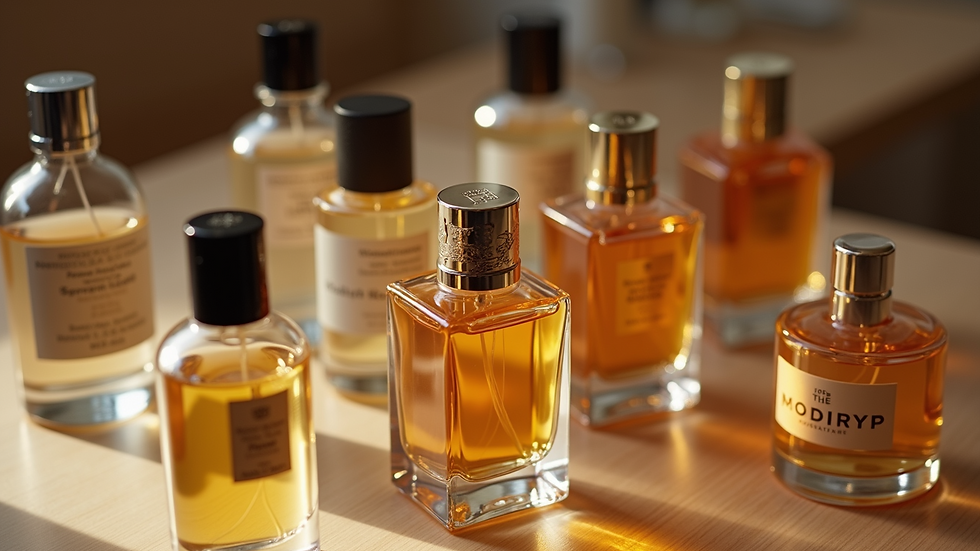
Bottling and Packaging: The final product is carefully bottled and packaged to preserve its quality and appeal.
Understanding these steps helps appreciate the skill involved in the art of perfume making. For example, a perfumer might blend top notes like citrus with heart notes of jasmine and base notes of sandalwood to create a layered scent experience.
The Future of Perfume Craftsmanship
The perfume industry is evolving with new trends and technologies. Sustainability is becoming a priority, with perfumers seeking eco-friendly ingredients and packaging. Advances in biotechnology are enabling the creation of novel scent molecules that were previously unavailable.
Digital tools and AI are also influencing perfume craftsmanship, helping perfumers analyze scent combinations and predict consumer preferences. Despite these innovations, the human element remains central. The creativity and intuition of the perfumer continue to define the essence of perfume making.
Exploring the world of perfume craftsmanship reveals a rich tradition and exciting future. Whether you are a curious enthusiast or an aspiring perfumer, understanding these intricacies enhances your appreciation of this timeless art.


Comments