"What Are the Key Ingredients in Perfume and How Do They Work Together to Create a Signature Scent?"
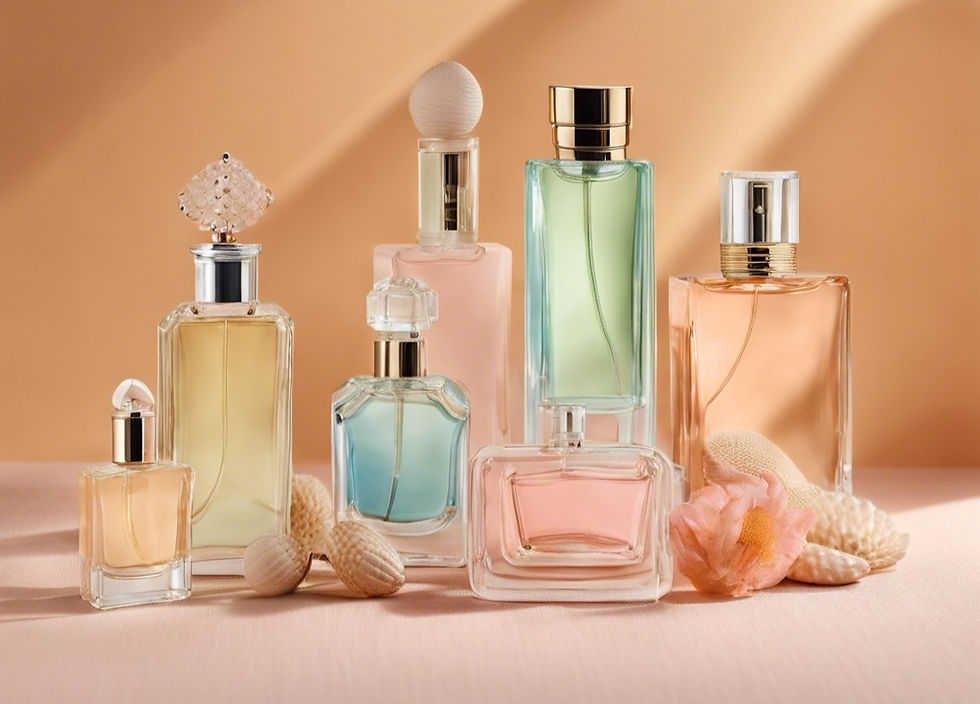
Perfume has the power to evoke memories, change moods, and make a lasting impression. But have you ever stopped to think about what goes into making that perfect scent? Understanding the makeup of perfume can give you a whole new appreciation for your favorite fragrances.
Perfume is made up of a combination of essential oils, aroma compounds, and solvents. These ingredients come together to create a unique and complex scent that can vary from light and floral to dark and musky. The quality and concentration of these ingredients determine the overall quality and longevity of the perfume.
Essential oils are the heart of any perfume. These oils are extracted from plants, flowers, and fruits through various methods such as distillation or cold pressing. Essential oils give perfume its distinct fragrance and can be very potent. Some common essential oils used in perfumery include rose, lavender, bergamot, and sandalwood.
Aroma compounds are synthetic or natural chemicals that are added to perfumes to enhance and modify the scent. These compounds can give perfumes a fresh, fruity, spicy, or woody aroma. Aroma compounds help create the complexity and depth of a perfume, making it stand out from other scents on the market.
Solvents are used to dilute the essential oils and aroma compounds in perfumes. These solvents help to disperse the fragrance evenly and allow it to evaporate slowly on the skin. The most commonly used solvent in perfumery is alcohol, which is highly effective at carrying the scent and ensuring it lasts for hours.
In addition to essential oils, aroma compounds, and solvents, perfumes may also contain other ingredients such as fixatives, preservatives, and colorants. Fixatives are used to stabilize the fragrance and help it last longer on the skin. Preservatives are added to extend the shelf life of the perfume, while colorants are used to give the perfume its distinctive hue.
Understanding the makeup of perfume can help you make informed decisions when choosing a scent. Different perfumes contain varying concentrations of essential oils, aroma compounds, and solvents, which can impact the overall quality and longevity of the fragrance. By knowing what goes into a perfume, you can select a scent that suits your preferences and budget.


Comments